 |
 |
 |
 |
 |
 |
 |
 |
 |
|||
 |
 |
|
|||||||
 |
|||||||
 |
|||||||
 |
|||||||
 |
|||||||
|
|||||||







|
||||||
 |
||||||
 |
||||||
 |
||||||
|






 |
 |
 |
 |
 |
 |
 |
ford continued service plan: practical coverage for real-life drivingWhat it is and why it mattersThe ford continued service plan extends protection beyond the basic warranty, aiming to turn unpredictable repair bills into predictable, budgetable costs. The problem it solves: modern vehicles pack complex electronics, turbo systems, and safety tech that can be costly when they fail. The solution: a contract that covers many of those components for a set term and mileage, with clear deductibles. How the plan typically works
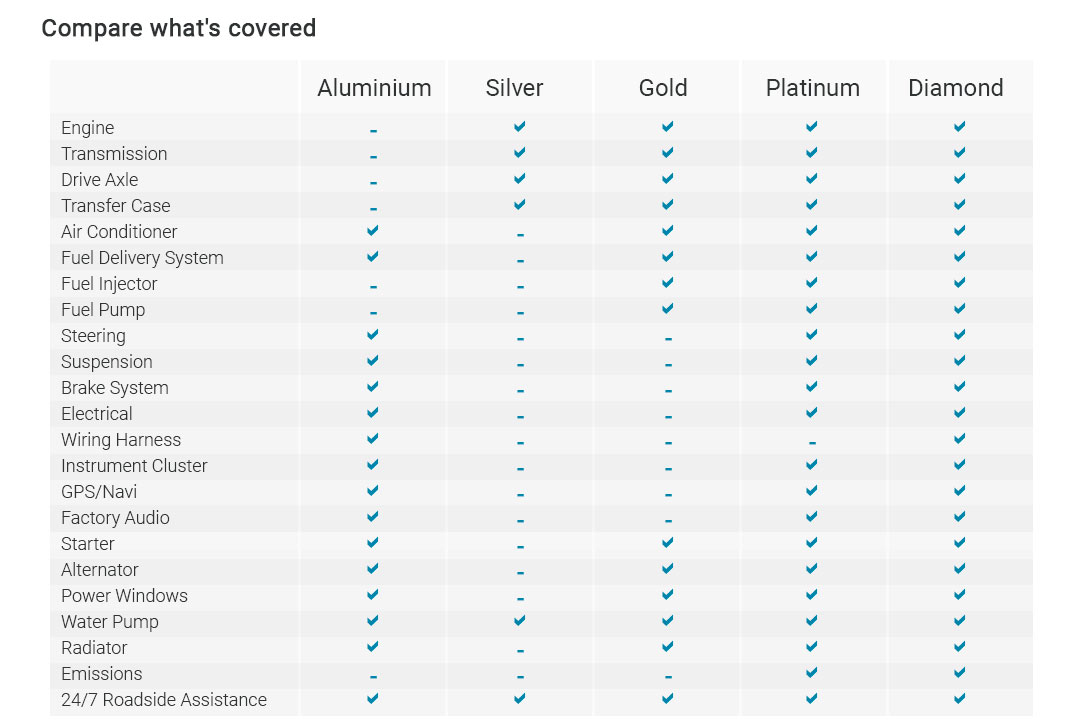
What is usually covered (and what is not)Coverage focuses on mechanical and electrical failures - powertrain, steering, climate control, infotainment modules, sensors, and similar systems. Wear items are another story. Plans typically exclude brakes, tires, wiper blades, and routine maintenance, and they will not cover damage from neglect or non-approved mods. Hybrids and advanced driver assistance systems can be covered, though the details vary by plan level.
Cost and value signalsPricing depends on model, mileage, coverage term, and deductible. A higher-tech vehicle can cost more to protect - understandably. As a quiet qualification, some drivers may spend less by paying repairs as they arise, but only if their luck and maintenance habits hold steady.
A brief, real-world momentOn a drizzly Tuesday, an Explorer owner noticed a high-temp warning two exits from home. Service verified a failed water pump. The ford continued service plan covered the repair, and the rental allowance kept the school run on schedule. It was not dramatic - just quietly helpful. Pros and trade-offs at a glance
Choosing the right level
Tips to avoid friction at claim time
Small notes from the service laneApproval paths and labor times follow plan guidelines and factory procedures. Policies do vary a bit by region and plan tier, so confirm details with your advisor before a big trip. Alternatives worth a quick lookA self-funded repair account, certified pre-owned warranties, or limited powertrain extensions can fit specific cases. If you are still mapping ownership length or miles, exploring these options briefly can sharpen the decision without pressure. Bottom lineThe ford continued service plan is most relevant if you keep your vehicle long enough to encounter complex, out-of-warranty repairs. It trades uncertainty for a contract and a process. For many owners - though not all - that exchange feels reassuring, especially when life keeps moving and the car just needs to be ready.
Main Topic:
Ford Extended Warranty
https://www.lombardfordwarrantys.com/ford-csp.cfm
Ford CSP is a extended warranty offered through a direct mail service contract program offering coverage to owners of older Ford & Lincoln vehicles. Ford CSP is ... https://quote.gofordcsp.com/shop/
We strive to earn your business every month with excellent customer service and peace of ... https://fordprotect.ford.com/continued-service-plan-faq
Your plan covers the cost of repairs, parts and labor, based on your plan level. It gives you the best care and saves you out-of-pocket expenses.
|
